PRODUCT EXPERIENCE
What the platform actually looks like.
01MISSION DEVICE
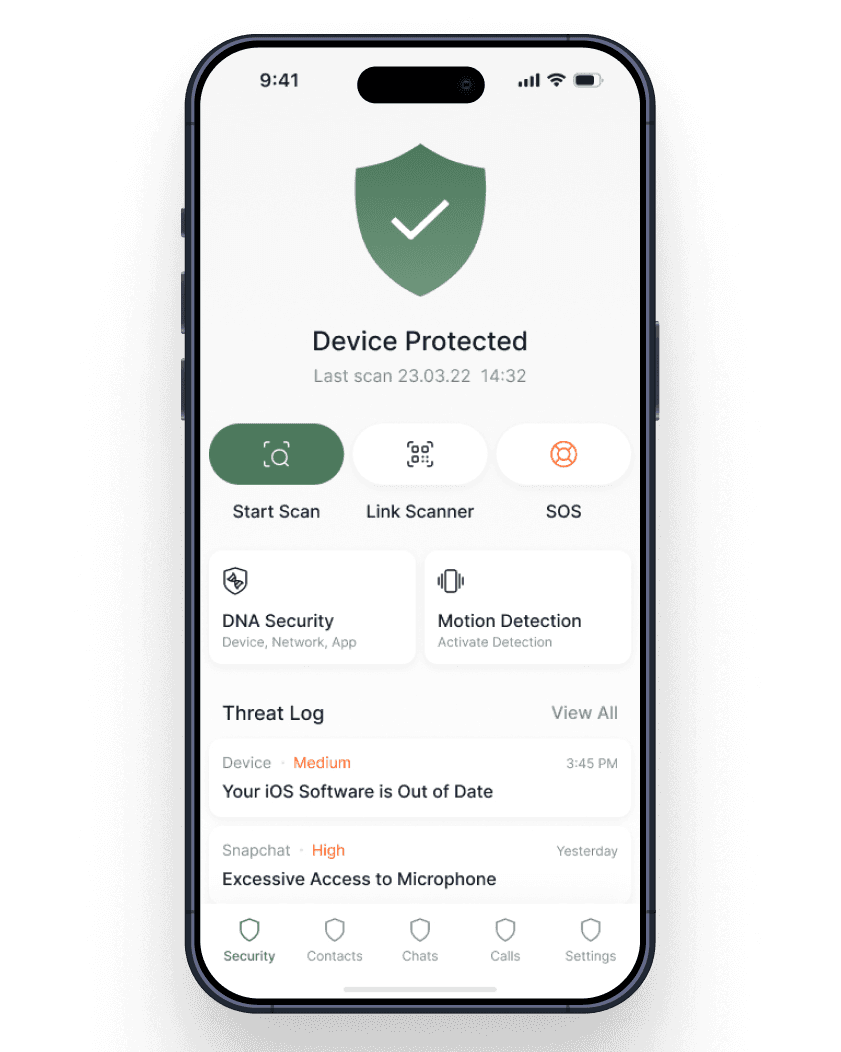
Device integrity, before the mission traffic.
On-device detection for spyware indicators, network interception, device manipulation, and integrity violation. The endpoint proves its condition before it participates.
DEVICEIntegrity verifiedIDENTITYHigh assuranceNETWORKMonitoredMTDNo critical findingsPOLICYMission profile
02MISSION COMMUNICATIONS
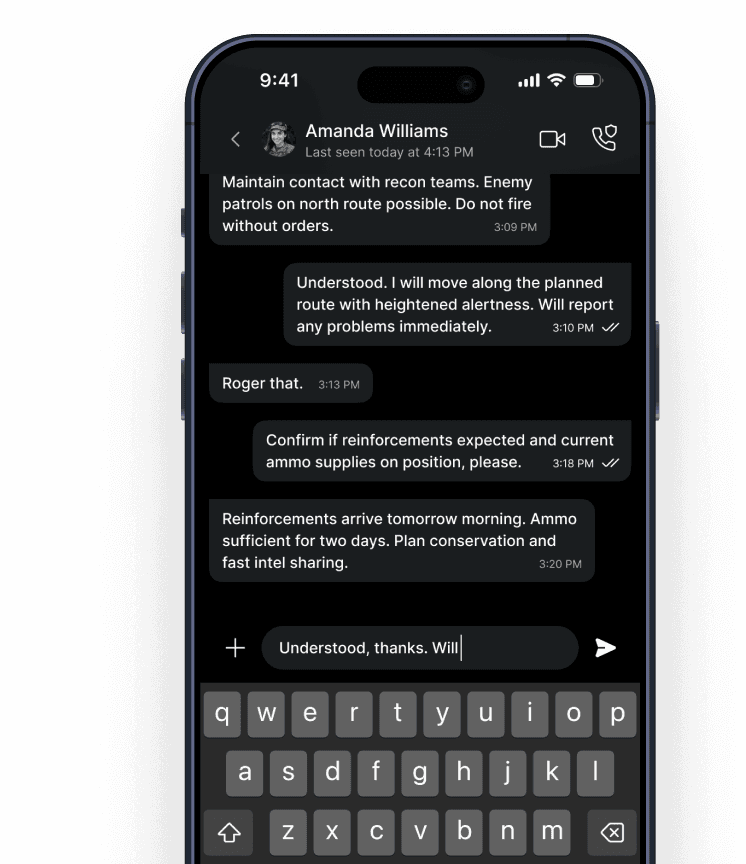
Coordination that holds under pressure.
Messaging, voice, and groups scoped to the mission, with membership and federation restricted by policy and queued delivery when the network degrades.
ENCRYPTIONActiveGROUPSMission-scopedFEDERATIONRestrictedTRANSPORTDegraded-tolerant
03MISSION ADMINISTRATION
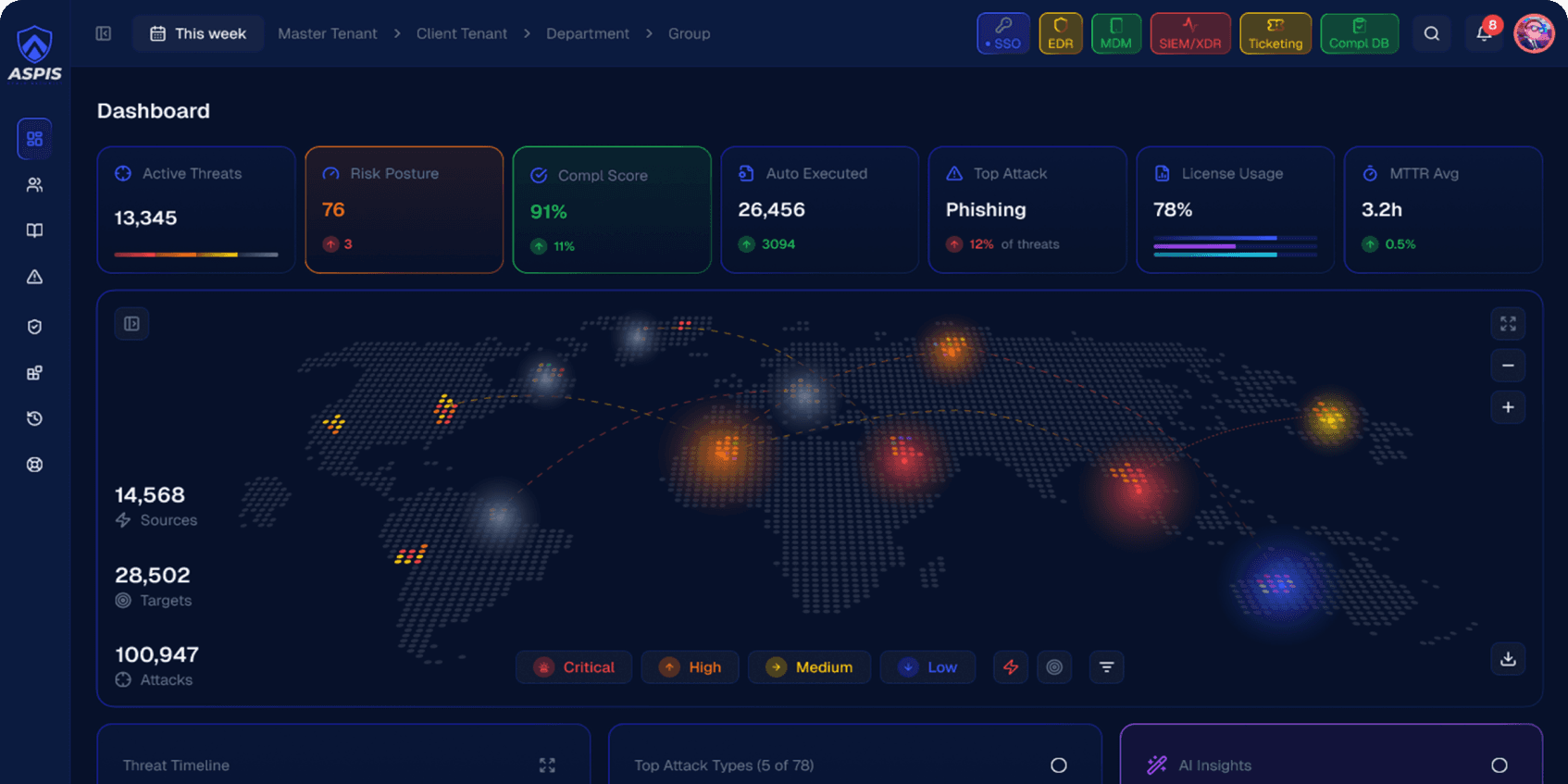
The environment stays under your control.
Users, devices, mission groups, threats, and policy administered inside customer-controlled infrastructure — private, sovereign, on-premises, or isolated.
INFRASTRUCTURECustomer-controlledUSERSMission rolesPOLICYEnforcedAUDITRetained
Built for high-threat environments
Nation-state targetingAdvanced persistent threatsMobile espionageSpywareZero-click exploitationRogue networksCredential compromiseInsider risk
High-assurance identity
CACPIVMFAHardware-backed credentialsRole-based accessMission-specific authorization policies
Sovereign & isolated deployment
Dedicated customer environmentsPrivate cloudSovereign infrastructureOn-premises government infrastructureGovernment cloud architecturesAir-gapped environmentsDisconnected or restricted networks
Mission policy & federation
Who can communicateWhich organizations can federateWhich groups remain isolatedWhich devices may participateWhich identity requirements must be satisfied
Disconnected operations
Offline sync and deferred communicationsSecure queueing in denied-network environmentsEncryption integrity maintained offlineLow-bandwidth and restricted networksRapid mission provisioning
Hardened endpoints and integration
ShieldiT Black hardened devicesPreconfigured mission security profilesPolicy lockdowns at device and network levelCAC/PIV authentication integrationIntegration with legacy mission systemsManageiT command console
Architectures can be designed to support organizational security programs aligned with requirements such as NIST 800-53, CMMC, FISMA, CJIS, and Zero Trust principles. Applicability depends on deployment architecture, configuration, and authorization requirements.